
How to choose outdoor chairs starts with more than finding a style you like. The right chair must fit your space, support the way you sit, work with your table, and handle the weather where you live. A chair that looks perfect online can feel cramped on a balcony, sit too low beside a dining table, or demand more maintenance than you expected.
This guide walks through the practical decisions in the right order: space, purpose, comfort, materials, storage, and care. Use it whether you are furnishing a compact balcony, creating an outdoor dining area, or adding flexible seating to a patio or garden.
How to Choose Outdoor Chairs for Your Space and Purpose
Before comparing materials or finishes, decide where the chairs will go and how you will use them. When planning how to choose outdoor chairs, start with the activity each seat must support. Dining chairs need an upright posture and the correct relationship to the table. Lounge chairs can be wider and deeper. Folding chairs are useful when floor space must change throughout the day, while director chairs offer a raised, supportive seat that can work for dining, conversation, or occasional indoor use.
Measure the full area rather than the empty spot where one chair appears to fit. Include the space required to pull the chair out, walk behind it, and open a door or access a planter. On a small balcony, a few extra inches can determine whether the arrangement feels comfortable or crowded.
Think about frequency too. A chair used every morning should prioritize long-session comfort and easy cleaning. Extra seats brought out for guests can prioritize folding, lighter weight, and compact storage. For an exposed patio, weather resistance and the ability to use a cover may matter more than portability.
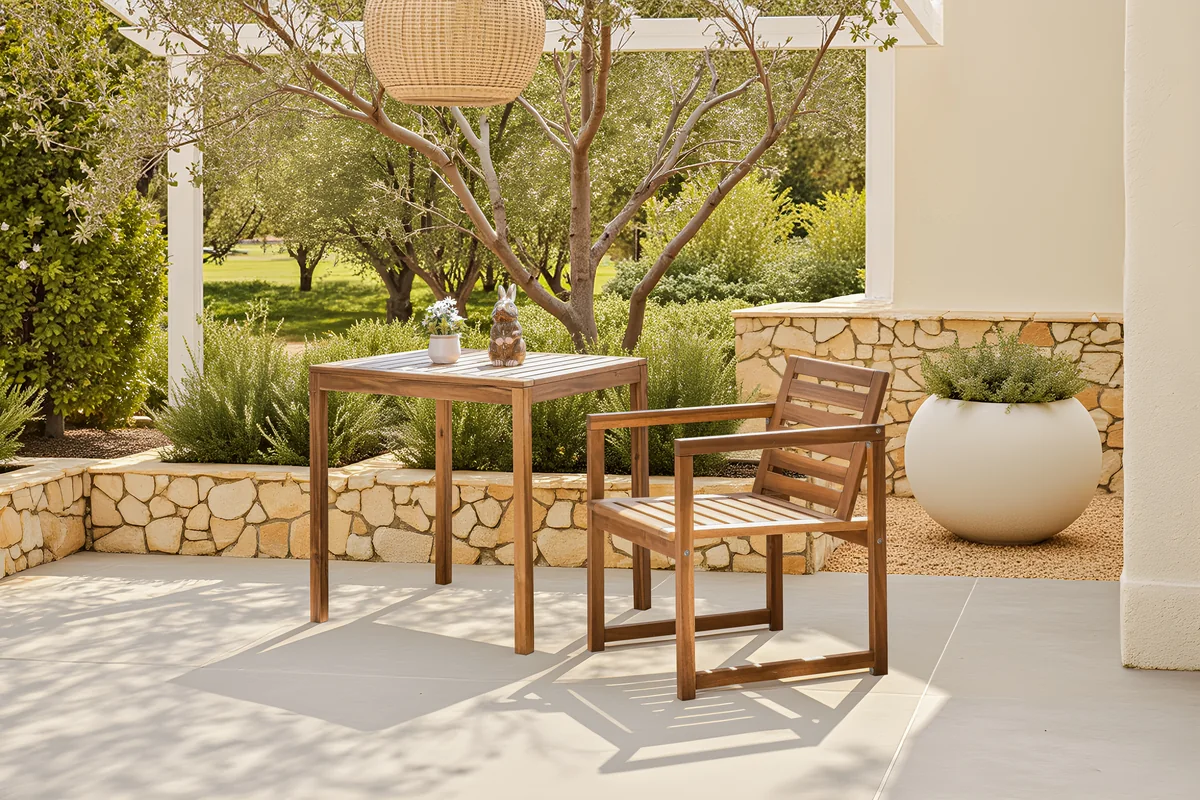
Check Chair Dimensions, Comfort, and Table Fit
A practical approach to how to choose outdoor chairs is to compare product dimensions before judging appearance. Product dimensions are one of the most reliable ways to narrow the choice. Check seat height, seat width, seat depth, overall width, arm height, and backrest shape. Do not rely on the words “compact” or “oversized” without comparing the actual measurements with your space.
For dining, confirm that the seat leaves comfortable legroom below the tabletop. Armrests should slide under the table apron if you want to tuck the chairs away. Also allow enough width for each person to sit and move without bumping the next chair. Armless chairs usually fit more easily along a table, while armchairs provide more support for longer meals.
Comfort depends on proportion, not simply padding. A supportive outdoor chair should let your feet rest naturally, support your thighs without pressing behind the knees, and keep your back in a relaxed position. A gently angled backrest can improve comfort, but a deeply reclined chair is less practical for dining.
Cushions add softness but also introduce storage and cleaning needs. If you prefer a cushion-free chair, look for a shaped seat, supportive back slats, smooth armrests, and rounded edges. If you choose cushions, confirm that the covers and filling are designed for outdoor use and can dry quickly after damp weather.
Choose the Right Outdoor Chair Material
Material is central to how to choose outdoor chairs that will perform well over time. The best material is the one that balances appearance, weather exposure, weight, and the amount of care you are willing to provide. Common options include solid wood, aluminum, steel, synthetic wicker, and outdoor-grade polymers.
Wood brings natural warmth that works especially well with gardens, decks, and other organic textures. Acacia is a dense hardwood commonly used for acacia wood outdoor furniture. It offers an attractive grain and a sturdy feel at a more accessible price than many premium hardwoods. Like most outdoor wood, however, it benefits from sensible protection, cleaning, and periodic maintenance.
Aluminum is lightweight and naturally resistant to rust, which makes chairs easy to reposition. Steel is heavier and can feel stable in windy spaces, but the coating and hardware need attention in wet or coastal conditions. Synthetic wicker creates a softer visual texture, although the quality of the frame and the outdoor rating of the weave are important. Outdoor polymers can be low-maintenance, but weight, heat retention, and appearance vary by product.
Inspect the construction as closely as the material. Stable joinery, smooth finishing, reinforced stress points, weather-resistant hardware, and protective feet all affect how a chair performs. For wood chairs, check that the finish is even and that frequently touched edges feel smooth.
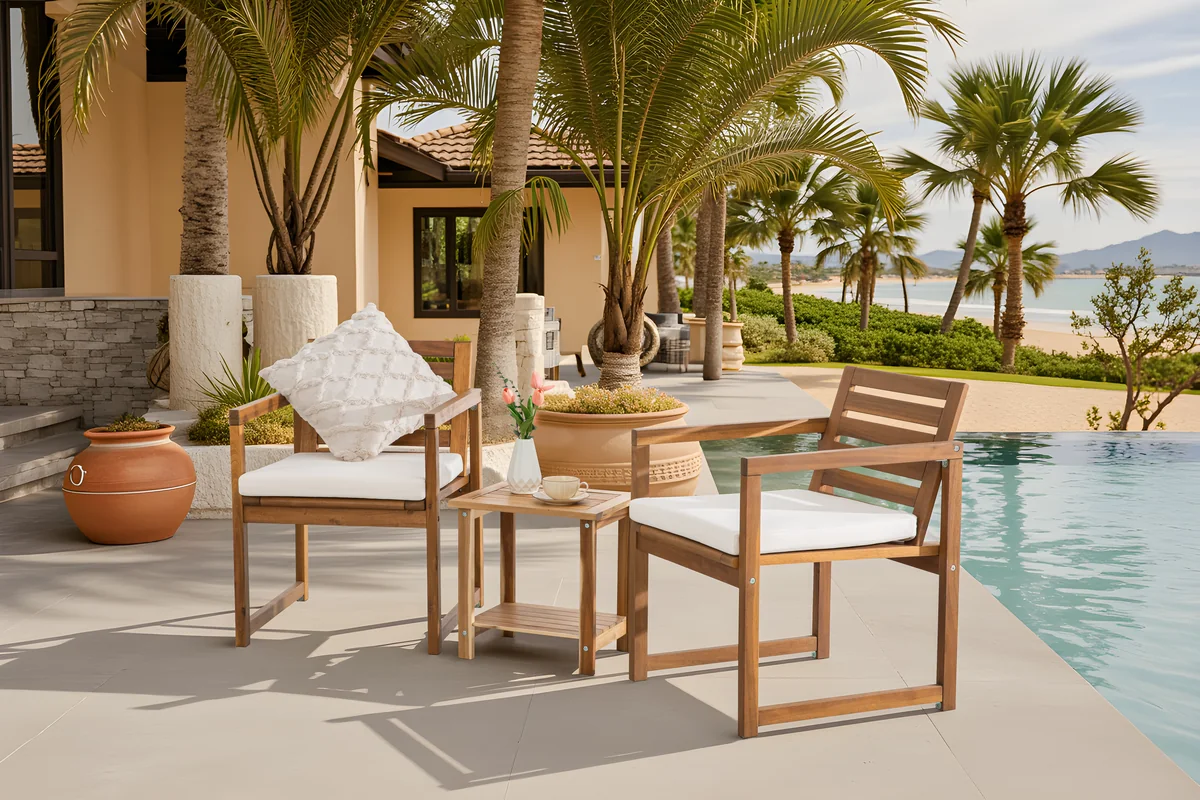
Match the Chair Type to Your Outdoor Lifestyle
Thinking about how to choose outdoor chairs for your routine makes chair type easier to evaluate. Different chair formats solve different problems. A fixed armchair suits a patio where comfort and a substantial look matter. A folding chair works well for balconies, seasonal entertaining, or homes that need to clear the floor quickly. A director chair combines a compact frame with a more upright seat and can be moved between outdoor and indoor settings.
For a small space, prioritize chairs that fold, tuck fully beneath a table, or have a visually open frame. For a larger garden, you can mix chair types by activity: upright seats for dining, supportive armchairs for conversation, and a portable option for flexible gatherings.
Sets of two are practical for balconies and quiet patio corners because they create a complete arrangement without overfilling the area. Before choosing a set, confirm whether the listed dimensions apply to one chair or the full pair, and check assembly requirements, weight capacity, included cushions, and storage dimensions.
Outdoor Chairs to Consider
-
Sale
 Chair
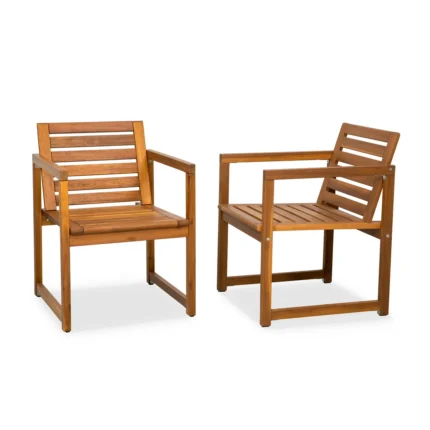
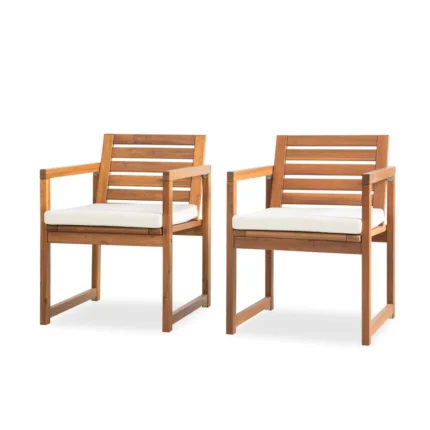
ChairAcacia Wood Patio Chairs Set of 2 – Modern Outdoor Armchairs
CushionWithout CushionWith CushionPrice range: $100.72 through $114.30
-
Out of StockSold Out
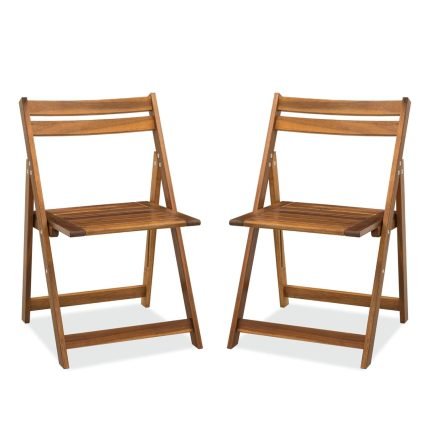 Chair 4.9
Acacia Wooden Folding Chairs Set of 2 for Patio & Garden
Original price was: $119.78. $90.06Current price is: $90.06.
-
Sale
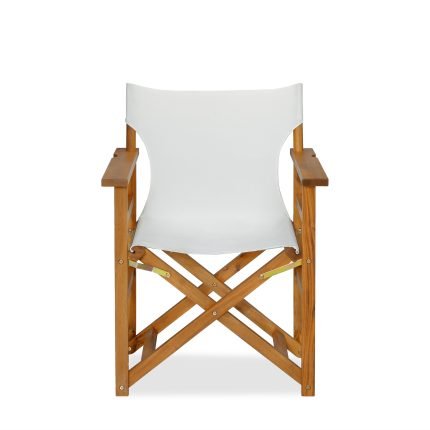
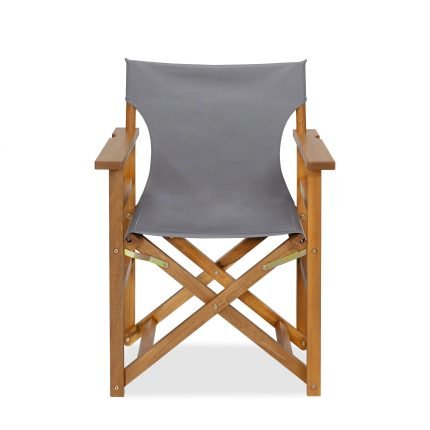 Chair 4.7
Acacia Wood Director Chair for Outdoor & Indoor Use
ColorPrice range: $76.72 through $77.16
Plan for Weather, Storage, and Maintenance
Local climate should influence how to choose outdoor chairs as much as appearance does. Even durable outdoor garden chairs last longer when care matches the local climate. Direct sun can fade finishes and dry natural materials. Repeated moisture can encourage staining or mildew. Freeze-and-thaw cycles, salt air, and strong winds create different demands, so no single material is maintenance-free in every location.
Place wood chairs on a surface that drains well and avoid leaving the feet in standing water. Clean dust, pollen, and spills with methods recommended for the finish. Let chairs dry fully before covering or storing them. A breathable, properly fitted cover is generally more useful than wrapping damp furniture in an airtight layer.
Storage should be part of the buying decision. Folding chairs save the most room when stored upright in a dry area. Stackable chairs need enough vertical clearance and should be lifted rather than dragged. Fixed armchairs may require dedicated covers or indoor storage during severe weather.
If you like the appearance of natural wood outdoor furniture, accept that the finish may change with exposure. Routine inspection is more effective than waiting for visible damage. Tighten loose hardware when necessary, address surface wear early, and follow the product’s care instructions before applying oil, sealant, or cleaner.
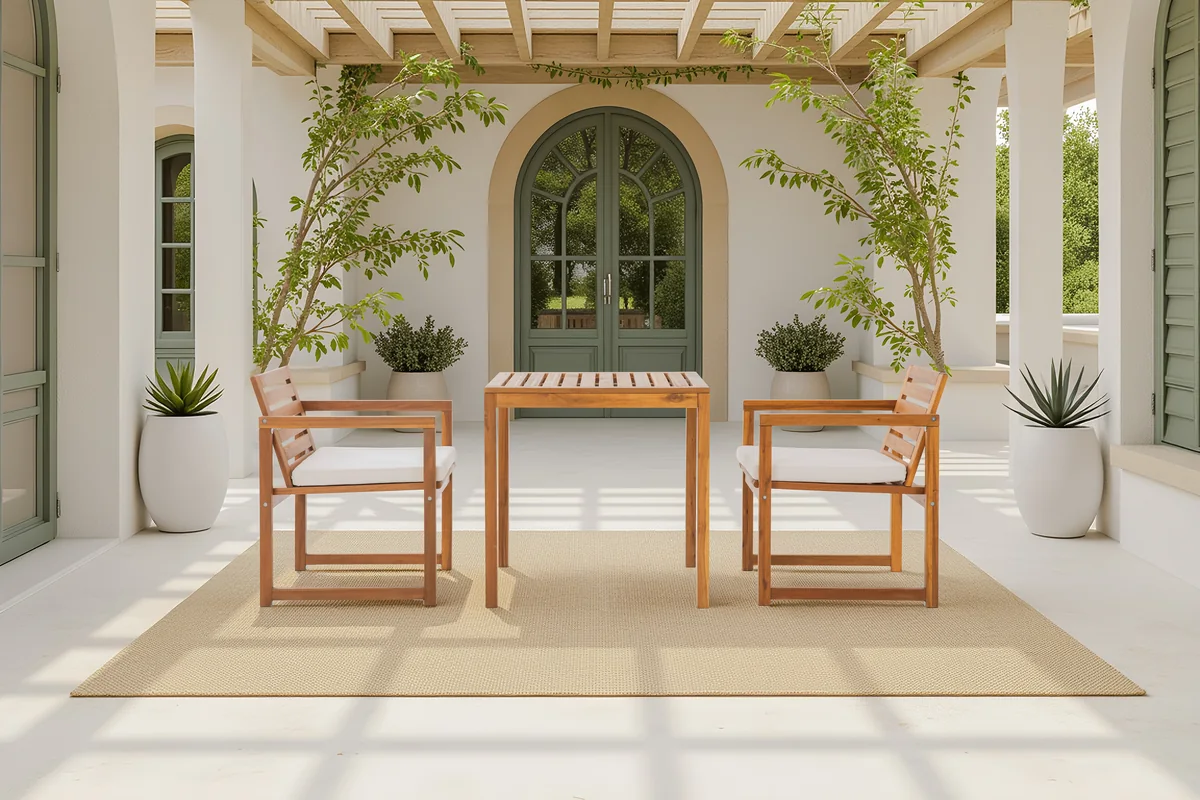
Use This Outdoor Chair Buying Checklist
When several options look similar, this checklist simplifies how to choose outdoor chairs by comparing every option on the same criteria:
- Space: Does the full chair footprint leave room to walk, open doors, and pull the seat out?
- Purpose: Is the posture appropriate for dining, lounging, or flexible guest seating?
- Comfort: Do the seat height, depth, width, backrest, and armrests suit the intended users?
- Table fit: Can the chair approach the table comfortably, and will the arms clear the apron?
- Material: Does it match your climate, preferred appearance, and maintenance tolerance?
- Construction: Are the joints, hardware, finish, and feet suitable for repeated outdoor use?
- Storage: Can you fold, stack, cover, or store the chairs when conditions become harsh?
- Care: Are you comfortable with the cleaning and maintenance recommended by the manufacturer?
This process makes it easier to compare garden chairs on practical value rather than appearance alone. It also helps you avoid paying for features that do not suit your space or daily routine.
Frequently Asked Questions
What should I look for when choosing an outdoor chair?
Start with the available space and intended use. Then compare seat dimensions, comfort, table clearance, material, weather resistance, construction, storage needs, and maintenance. Actual measurements are more useful than broad labels such as compact or oversized.
Are armchairs or armless chairs better outdoors?
Armchairs provide more support for relaxing and longer meals. Armless chairs usually take less width and fit more easily around a dining table. The best choice depends on comfort priorities, table clearance, and the number of seats required.
Is acacia wood suitable for outdoor chairs?
Acacia is a dense hardwood widely used for outdoor seating because it combines strength, natural grain, and useful weather resistance. It still needs appropriate cleaning, protection from prolonged moisture, and maintenance based on its finish and local climate.
Should outdoor chairs have cushions?
Cushions add softness and can improve comfort for extended sitting. Cushion-free chairs require less storage and may be easier to maintain. If you choose cushions, look for outdoor-rated fabric, quick-drying construction, removable covers, and a dry storage plan.
How much room should I leave around outdoor chairs?
Leave enough space to sit down, pull the chair away from a table, and walk behind it without obstruction. The exact clearance depends on chair depth, table size, doors, railings, and traffic paths, so test the layout with the published dimensions before buying.
More Outdoor Furniture Guides
- Can Wood Chairs Go Outside? A Practical Outdoor Care Guide
- How to Install Deck Tiles: Step-by-Step Guide
- Acacia Wood Garden Furniture: The Complete Guide to Choosing, Styling & Caring for Your Outdoor Space
- Solid Acacia Wood Dining Chairs: 7 Reasons to Choose Them
- Acacia vs Composite Deck Tiles: Which Outdoor Floor Wins?
- Best Deck Tiles for Balcony Spaces: 2026 Guide
Choose Outdoor Chairs That Work Beyond the First Season
Learning how to choose outdoor chairs means matching real measurements and habits with the right design. Start with space and purpose, confirm comfort and table fit, then choose a material and storage plan you can maintain. When those fundamentals are right, style becomes easier—and your patio, balcony, or garden gains seating you will actually enjoy using. Explore VictoryRelax outdoor chairs when you are ready to compare solid wood options for your space.