
How to clean acacia wood outdoor chairs starts with identifying the finish and separating the parts that need different care. A slatted wooden armchair, a folding frame and a cushioned dining chair should not all be washed as one object. Begin gently and follow the instructions for the selected product.
This guide turns the care advice in VictoryRelax’s chair listings into a practical inspection, cleaning and drying sequence. It does not provide a universal chemical recipe, pressure-washer setting or oiling calendar. If the finish is unknown, ask for its care instructions before treating the whole surface. Cleaning dirt, refreshing colour and repairing damage are different jobs.
How to Clean Acacia Wood Outdoor Chairs: Inspect First
Place the chair on a stable surface where you can reach the arms, slats, frame and feet. Remove loose cushions as the product allows. Look for grit, spills, damp fabric, worn coating, loose hardware or damage that affects stability. Do not hide a structural problem under a new finish.
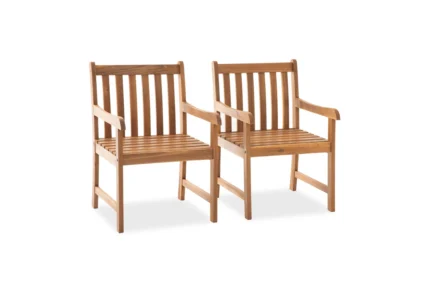
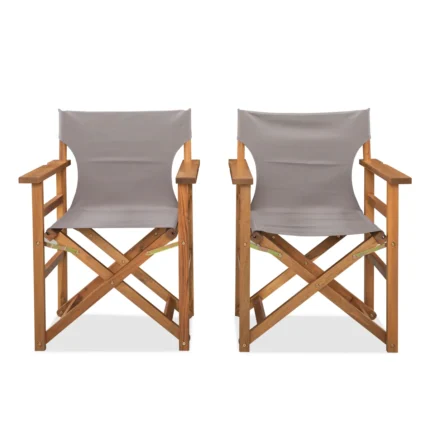
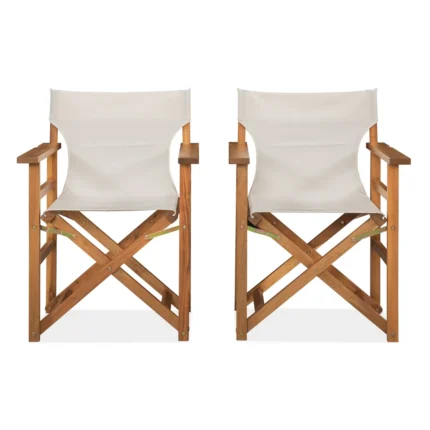
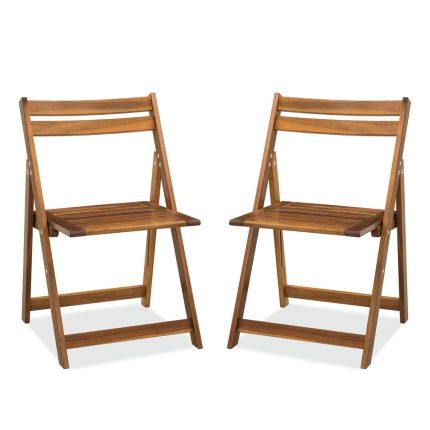
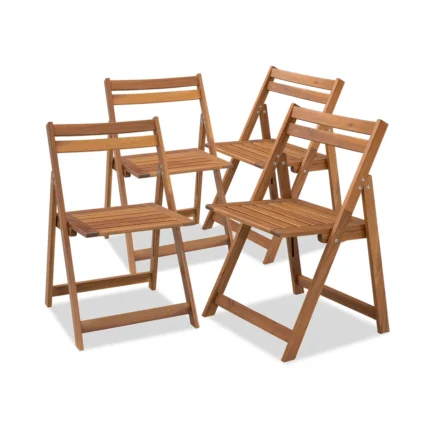
The Naro acacia wood patio chairs listing calls for wiping with a damp cloth. The acacia wood folding chairs listing specifies a soft damp cloth, drying before folding and shelter during prolonged wet weather. Start with these product-specific directions, not with an aggressive cleaner intended for a different wooden surface.
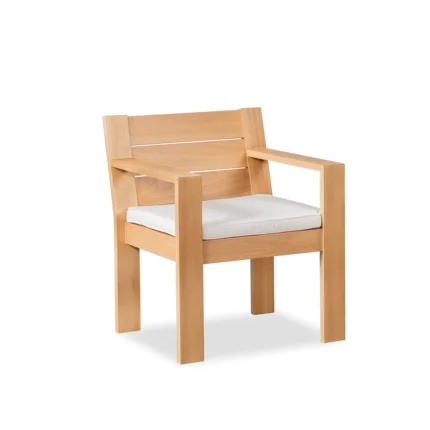
For the cushioned pair #32496, the cushions and covers are removable. That does not itself establish a machine-washing temperature or detergent recipe. Read the fabric care label and the chair instructions before cleaning them separately. Keep any cleaning product off materials for which it is not approved.
Remove Loose Dirt, Then Wipe Gently
Brush or wipe away loose debris with a soft tool suitable for the finish. Clearing grit first helps avoid dragging it across the wood. Work around slat edges and joints where leaves and dust collect, without forcing debris into a moving frame.
Use a soft lightly damp cloth for the routine wipe described in the listings. Clean a manageable section at a time, including frequently touched armrests and the front of the seat. Avoid saturating joints or leaving water pooled on broad surfaces. If the approved instructions call for a cleaning product, use its dilution and application guidance exactly.
Do not substitute household bleach, strong solvent, abrasive pads or a pressure washer simply because a stain is stubborn. A product may change the coating or roughen the surface. For an unfamiliar stain, identify the finish and request a compatible treatment rather than escalating through random chemicals.
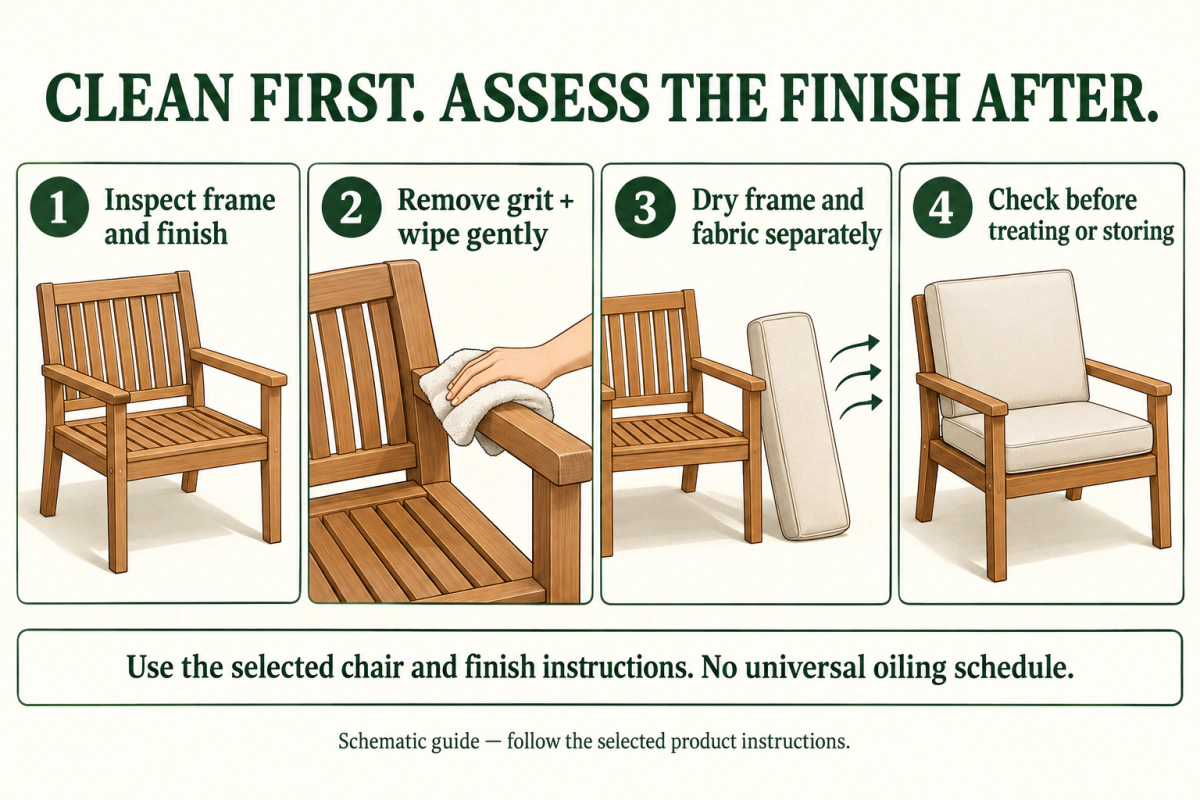
A schematic guide to the decisions discussed above. Illustrations are not exact product drawings; follow the selected model’s instructions.
If fabric handling is making the routine difficult, compare cushioned or bare chairs before adding more padding. For a director-style seat, the guide to canvas or slatted seats also separates fabric support from the wooden frame that surrounds it.
Dry the Frame and Handle Fabric Separately
After cleaning acacia chairs, let the frame dry thoroughly in a suitable ventilated place. Check the underside and connections rather than judging only the upper surface. Fold or cover the chair only when it is ready according to the care instructions; a dry-looking armrest does not prove that fabric or concealed areas are dry.
The stackable cushioned chair listing advises opening cushion zippers and propping wet cushions to allow airflow. Follow that model’s directions and the fabric label. Do not assume the same construction or method applies to every cushion or the director chair’s canvas panels.
Avoid putting damp cushions into a sealed container. Keep clean fabric separate from a dirty frame while you work. If you need a longer storage routine, winter chair storage covers the sequence from cleaning to inspection during non-use.
For folding frames, operate them only as instructed and keep fingers clear of moving joints. Do not force a stiff mechanism or alter hardware as a cleaning shortcut. Check connections once the chair is ready for use.
Decide Whether the Chair Needs a Finish Refresh
Knowing how to clean acacia wood outdoor chairs does not mean every cleaned chair needs oil. First decide whether you are seeing dirt, ordinary colour change, a damaged coating or a structural defect. The appropriate response depends on the existing finish and the condition underneath.
The folding-chair listing mentions a suitable outdoor wood-care product when the finish needs refreshing. Confirm compatibility before applying it. Some coated surfaces require a particular preparation or refinishing system; putting oil over an unknown coating is not a universal restoration method.
| What you notice | Next step |
|---|---|
| Loose dirt or a recent spill | Use the listing’s gentle cleaning method |
| Changed colour, sound frame | Decide whether appearance needs treatment; identify the finish |
| Peeling or damaged coating | Request the correct preparation and refinishing instructions |
| Loose or split load-bearing part | Stop use and arrange appropriate repair or replacement |
Sanding is not the default response to every mark. It can change the surface or remove coating. Do not invent a grit, number of coats or curing time: use the finish system’s instructions if restoration is appropriate.
Use winter chair storage when the next step is a longer period of non-use. The same clean-and-dry preparation helps keep your wider acacia wood outdoor furniture accessible for inspection rather than hidden under covers.
Make the Next Clean Easier
Keep outdoor garden chairs accessible so you can reach the floor and the feet. Move planters or accessories that repeatedly trap damp debris beside the frame. Inspect spills promptly and store cushions appropriately between uses. Small practical changes can reduce the amount of cleaning needed later.
For acacia chair care, choose a routine you can maintain rather than waiting until the seat looks badly worn. Inspect the whole chair after cleaning, including feet, connections and fabric supports. Refreshing wood chairs should improve appearance without disguising a problem that affects safe use.
If you are still choosing a format, folding or stackable chairs explains the storage differences, and cushioned or bare chairs helps separate comfort preferences from fabric-care tasks. Those choices affect how much you will handle and dry each time you clean.
Explore the acacia chair examples
-
Sale
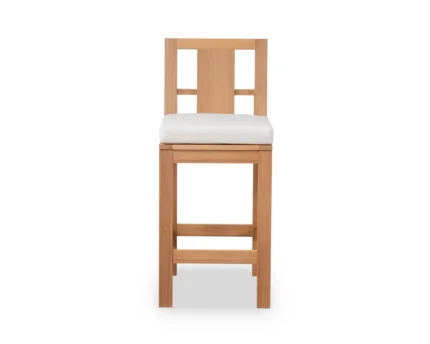 Outdoor
Eucalyptus Wood Outdoor Bar Stool
Original price was: $410.30. $287.21Current price is: $287.21.
-
Sale
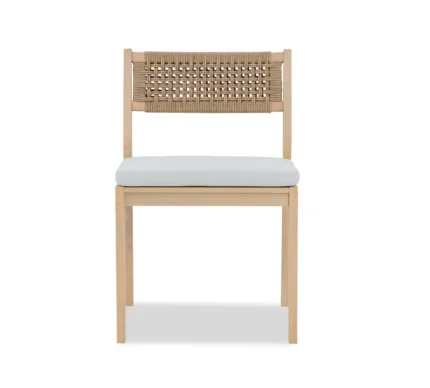 Chair
Solid Eucalyptus Wood Dining Chair with Cushions (Set of 2)
Original price was: $314.27. $219.99Current price is: $219.99.
-
Sale
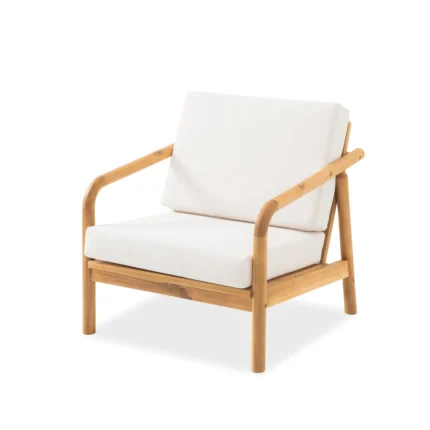 Outdoor
Patio Lounge Chair with Solid Wood Frame & Woven Rope Back
Original price was: $553.09. $387.16Current price is: $387.16.
-
Sale
 Outdoor
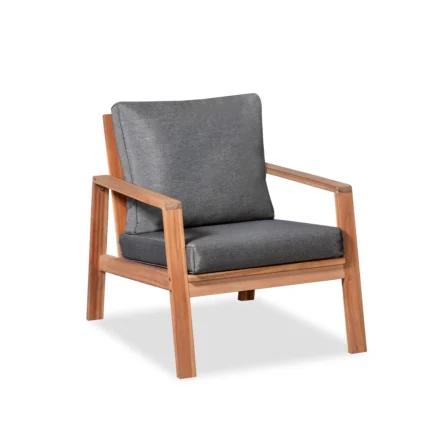
Solid Acacia Wood Outdoor Lounge Chair with Cushions (Set of 2)
Original price was: $485.84. $340.09Current price is: $340.09.
-
Sale
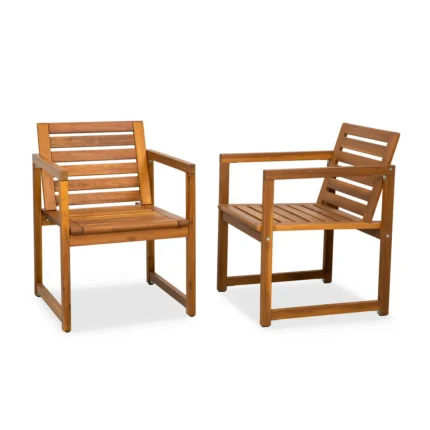
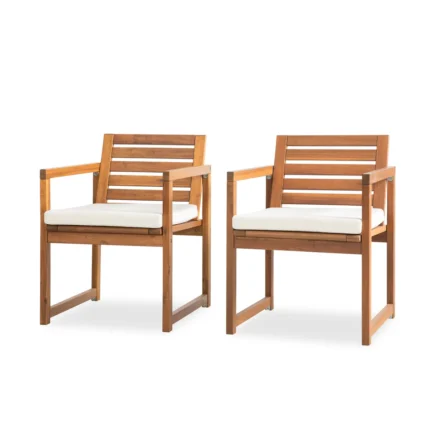 Chair
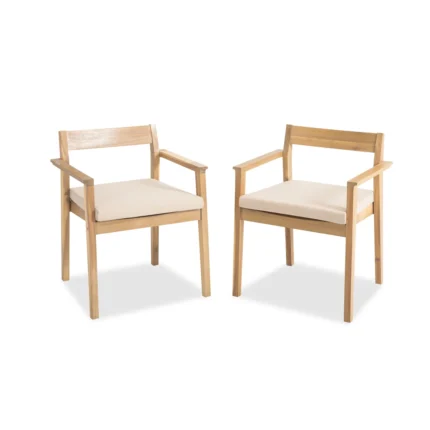
Acacia Wood Patio Chairs Set of 2 – Modern Outdoor Armchairs
CushionWithout CushionWith CushionPrice range: $100.72 through $114.30
-
Sale
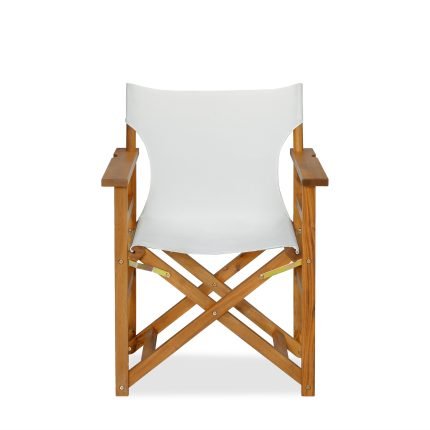
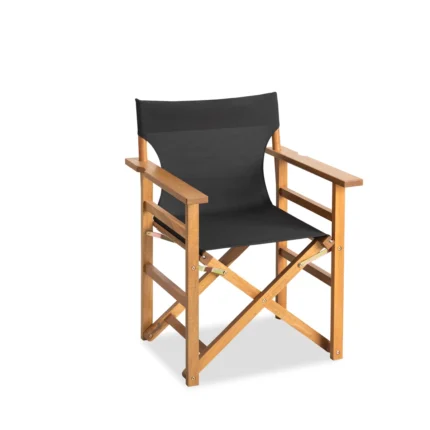
 Outdoor
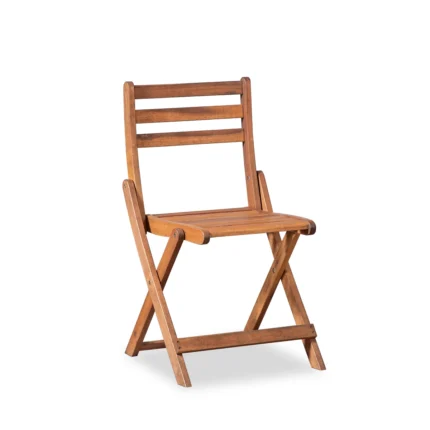
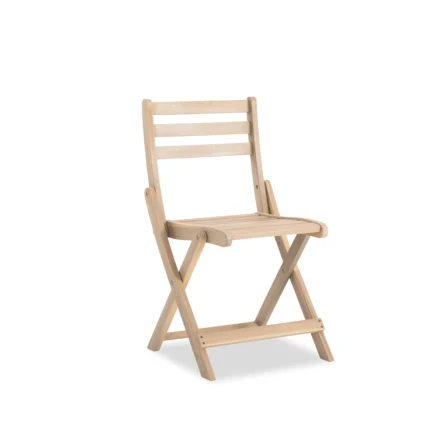
Acacia Wood Director Chair for Outdoor & Indoor Use
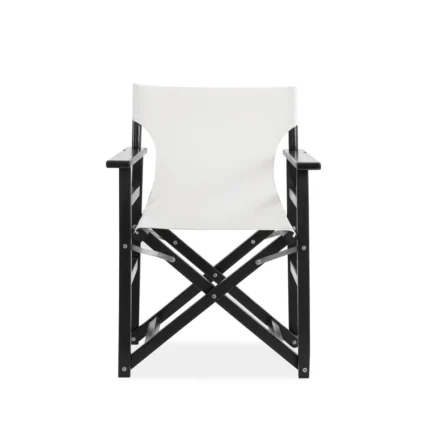
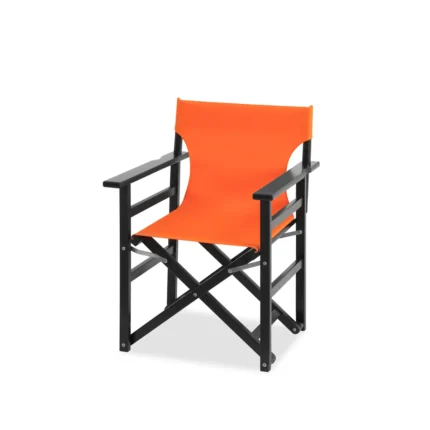
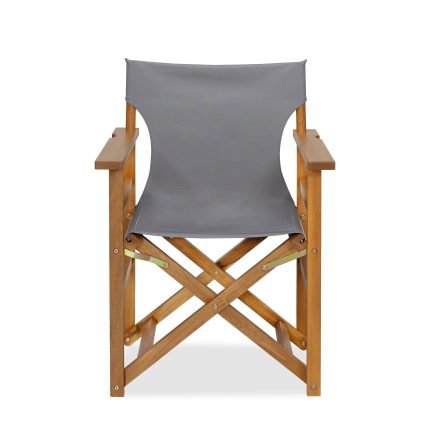
Frame / Seat ColorNatural Wood Frame / Gray SeatNatural Wood Frame / White SeatNatural Wood Frame / Black SeatBlack Frame / Cream SeatBlack Frame / Orange Seat$69.78$82.0915% OffSale
-
Sale
Frequently Asked Questions
How to clean acacia wood outdoor chairs without damaging the finish?
Start with the product’s soft damp-cloth instructions, remove loose grit first and use only compatible products as directed.
Should I oil the chair after every clean?
No. Confirm the finish and its maintenance requirements. Cleaning does not automatically require oil.
Can I pressure wash an acacia chair?
Do not assume it is permitted. Follow the exact chair and finish instructions; this guide does not prescribe pressure washing.
Can I store cushions as soon as the covers feel dry?
Check the complete cushion and its care instructions. Filling and concealed areas can remain damp; allow thorough drying before storage.
Related outdoor seating guides
Follow how to clean acacia wood outdoor chairs as a sequence: inspect, remove debris, clean gently, dry thoroughly and assess the finish. Keep fabric and moving frames within their own instructions, and treat restoration as a separate decision. A clean surface and a sound chair matter more than applying an extra product on a fixed calendar.