
Acacia vs aluminum patio chairs starts with two different frame materials, but the buying decision depends on the complete chair. The seat may be wood, fabric, sling or a separate cushion; the frame may fold, stack or remain fixed. Those details can matter as much as the material when you move, clean and use the seat.
This guide compares what to ask of each format rather than assigning invented lifespans, surface temperatures or maintenance costs. The acacia examples come from VictoryRelax’s live listings. Aluminum is discussed as a material alternative, not presented as a matching VictoryRelax model or a tested competitor.
Acacia vs Aluminum Patio Chairs: Compare the Complete Seat
Acacia gives a chair a visible natural grain and a timber frame. Aluminum provides a metal-frame alternative whose appearance depends on the design and finish. Neither description establishes whether the chair is comfortable or whether it fits your table.
Identify every material that needs care. An aluminum frame with fabric seating still brings fabric cleaning and drying tasks. An acacia chair with a removable cushion needs a place for that cushion. Comparing a bare wooden chair with a deeply padded metal lounge chair obscures the real comfort and maintenance differences.
Start with outdoor garden chairs that support the intended activity. Dining posture, arm support and the ability to move the chair remain important whichever frame you prefer. The guide on how to choose outdoor chairs covers these checks before you commit to a material.
Look Beyond the Idea of Low Maintenance
A metal chair does not need a wood-finishing routine, but its coating, hardware and seat materials still need attention. The manufacturer POLYWOOD publishes separate care instructions for its powder-coated aluminum parts, including gentle cleaning and avoiding abrasive treatment. That is a useful reminder to obtain the instructions for the actual finish; it is not a care specification for every aluminum chair.
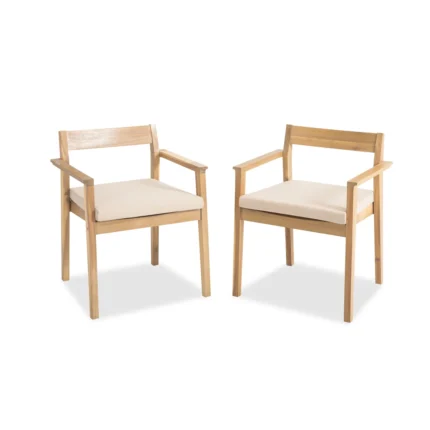
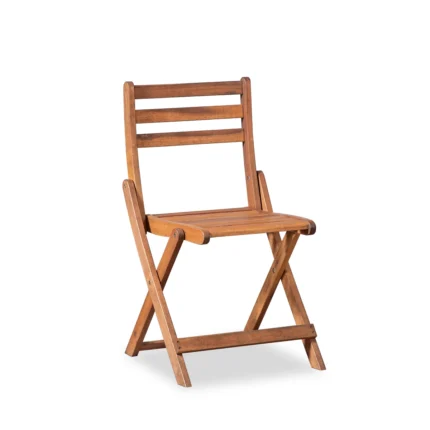
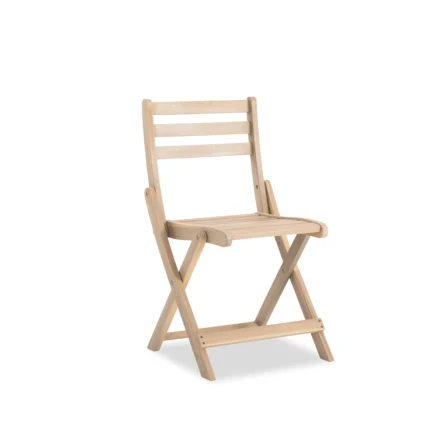
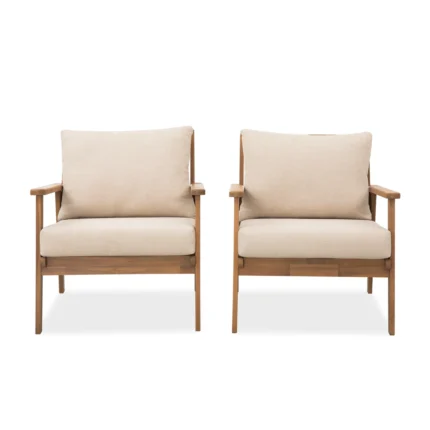
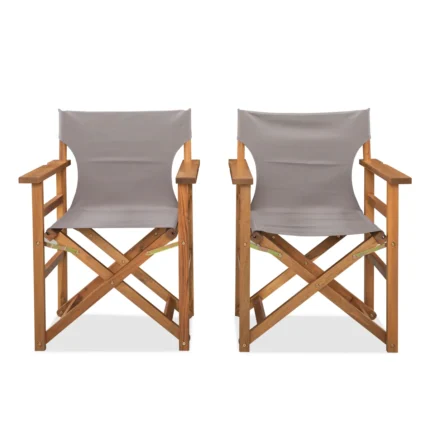
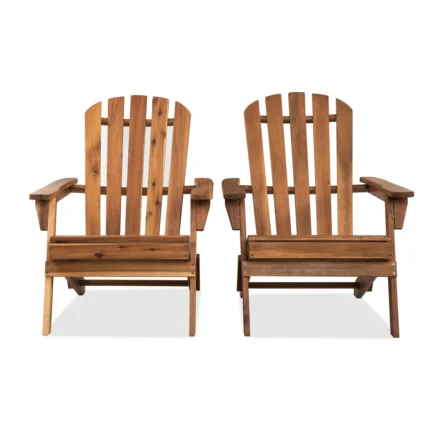
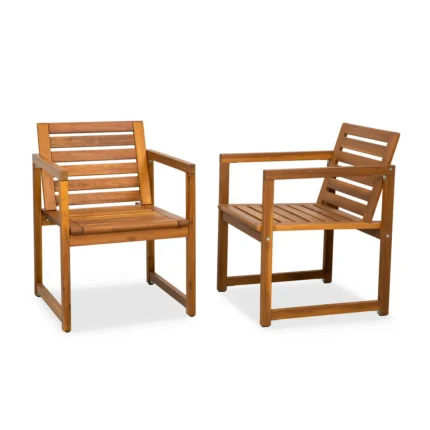
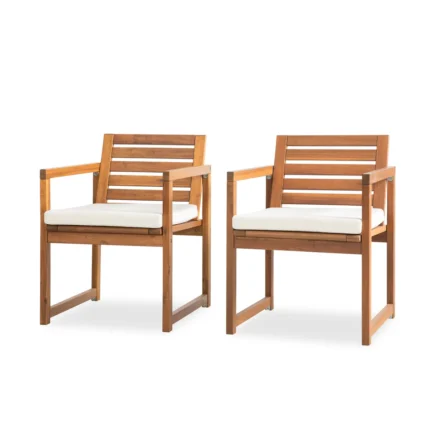
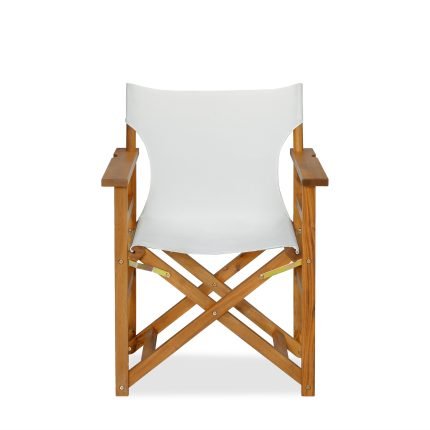
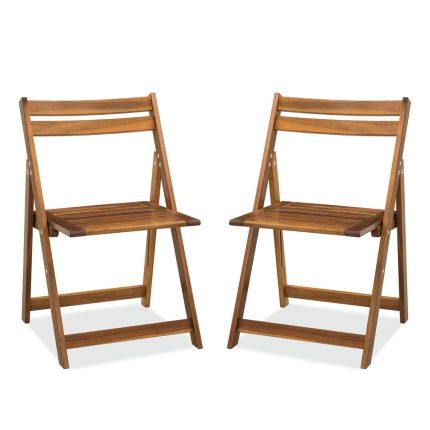
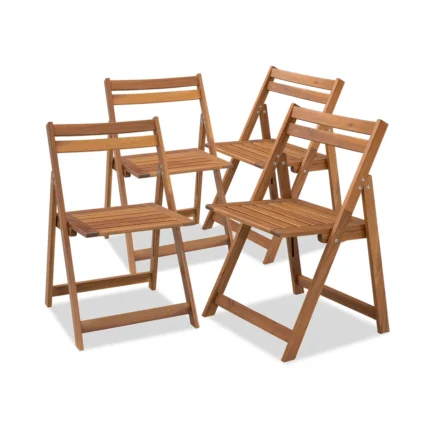
For acacia, follow the selected product’s existing finish. The Naro acacia wood patio chairs listing recommends wiping with a damp cloth and protecting the pair from severe weather. The acacia wood folding chairs listing similarly calls for drying before storage and shelter during prolonged wet weather. Do not add an oil or cleaner merely because it is sold for wood.
| Part of the chair | Acacia example | Aluminum alternative: ask about |
|---|---|---|
| Frame finish | Approved cleaning and compatible refresh treatment | Coating care and repair guidance |
| Seat | Slats, canvas or selected cushion | Sling, cushion or other seat construction |
| Connections | Assembly and moving-frame checks | Hardware, joints and mixed materials |
| Storage | Verified folding or fixed-frame instructions | Verified folding, stacking or fixed-frame instructions |
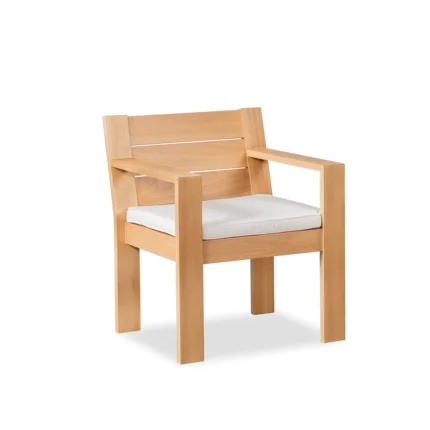
Keep comfort in the comparison by checking cushioned or bare chairs as complete seats. A change in frame material does not remove the need to compare the padding, posture and fabric handling that affect daily use.
Use Real Dimensions for Moving and Storage
The folding acacia example measures 19.0 × 19.7 × 31.7 inches overall when open. The Naro armchair measures 22 × 24 × 30 inches per chair and comes as a pair. These are useful shortlist dimensions, not storage dimensions or promises that a particular balcony will fit two chairs.
Do not assume aluminum automatically means easy lifting or acacia automatically means wind stability. Weight, geometry and accessories vary by product. Confirm the actual item weight and handling instructions and test your carrying route. No generic material comparison establishes a wind rating.

A schematic guide to the decisions discussed above. Illustrations are not exact product drawings; follow the selected model’s instructions.
If you are choosing chairs for small patios, draw the furniture footprint and include the pulled-out position. A slim frame can still consume considerable usable space once a person sits at a table. For seasonal storage, compare the complete folded or stacked arrangement rather than multiplying open chair dimensions.
Match the Choice to Exposure and Your Habits
For acacia vs aluminum patio chairs on a covered patio, daily comfort and the look you prefer may guide the shortlist. In an exposed setting, ask more detailed questions about frame finish, standing water, fabric, hardware and the storage plan. Coastal exposure deserves product-specific guidance rather than a blanket promise that a material cannot deteriorate.
Shade and local exposure affect the comfort of surfaces in use. Do not rely on a fixed temperature difference claimed for all wooden and metal chairs. Try the seat under your expected conditions where possible and plan shade or appropriate cushions when the chosen product permits them.
Use outdoor chair materials by climate for a broader exposure checklist. That guide separates site conditions from this two-material comparison, so you can make a shortlist without treating a weather label as a guarantee.
For a shortlist that remains within timber seating, compare teak versus acacia chairs before changing materials altogether. Coordinate the chosen chair with your other acacia wood outdoor furniture only after the dimensions and care routine work.
Compare Value Using the Same Included Items
When comparing acacia or aluminum chairs, match the number of seats, intended use and included padding. The Naro standard variation is two wooden armchairs; matching cushions require the with-cushion option. The folding listing offers two or four chairs and no table. Check an aluminum alternative on the same basis.
Use current quotes for the actual products rather than a permanent claim that one material is cheaper. Confirm assembly, covers, replacement fabric or cushions and care requirements. A different frame material can be worthwhile if it solves a real need, but no price or lifespan advantage is assumed here.
The best comparison of wood and aluminum seating ends with a manageable routine and a chair that fits. Choose the grain and feel of the acacia model if you accept its care, or a documented aluminum alternative if its finish and seat construction better match your habits.
Explore the acacia chair examples
-
Sale
 Outdoor
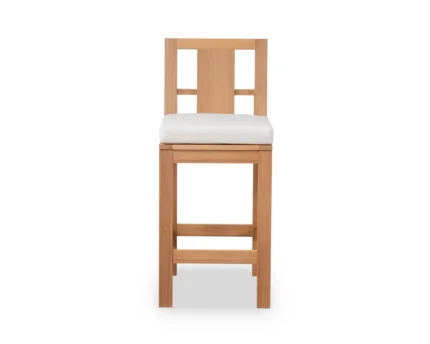
Eucalyptus Wood Outdoor Bar Stool
Original price was: $359.00. $258.49Current price is: $258.49.
-
Sale
 Chair
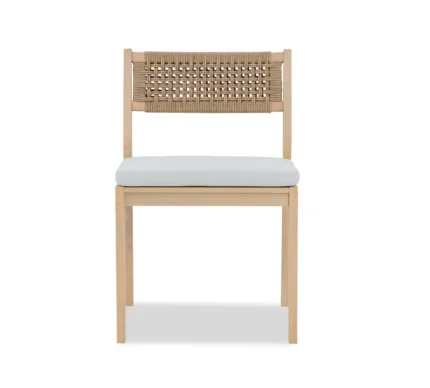
Solid Eucalyptus Wood Dining Chair with Cushions (Set of 2)
Original price was: $274.99. $197.99Current price is: $197.99.
-
Sale
 Outdoor
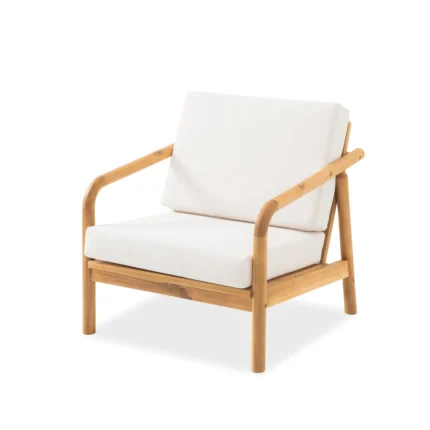
Patio Lounge Chair with Solid Wood Frame & Woven Rope Back
Original price was: $490.44. $348.44Current price is: $348.44.
-
Sale
 Outdoor
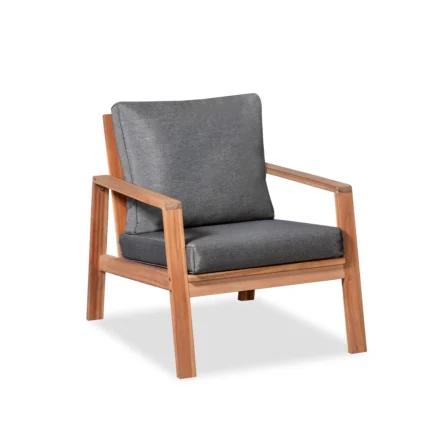
Solid Acacia Wood Outdoor Lounge Chair with Cushions (Set of 2)
Original price was: $425.11. $306.08Current price is: $306.08.
-
Sale
 Outdoor
Solid Acacia Wood Patio Dining Chair with Cushion (Set of 2)
Original price was: $461.25. $332.10Current price is: $332.10.
-
Sale
-
Sale
 Outdoor
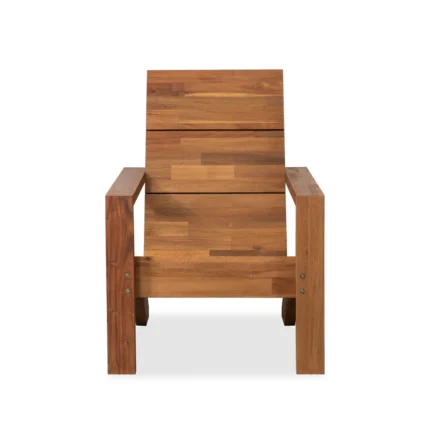
Solid Wood Patio Dining Chair With Seat Cushion
Original price was: $386.25. $278.10Current price is: $278.10.
-
Sale
-
Sale
 Chair
Acacia Wood Patio Chairs Set of 2 – Modern Outdoor Armchairs
CushionWithout CushionWith CushionPrice range: $100.72 through $114.30
-
Sale
 Outdoor
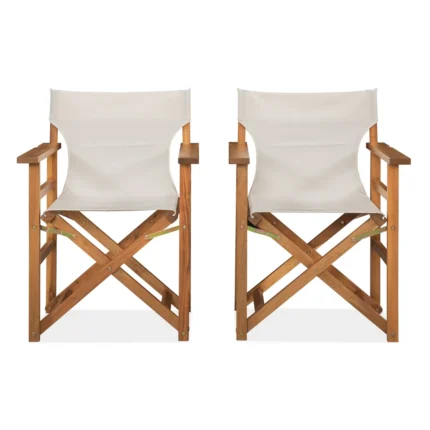
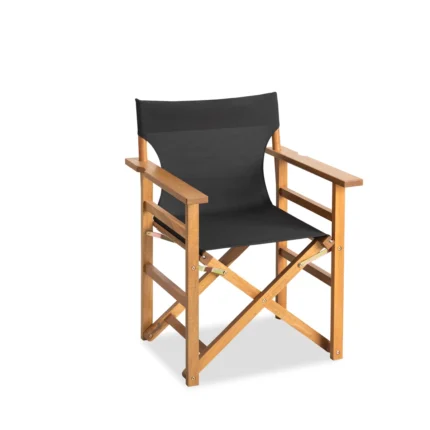
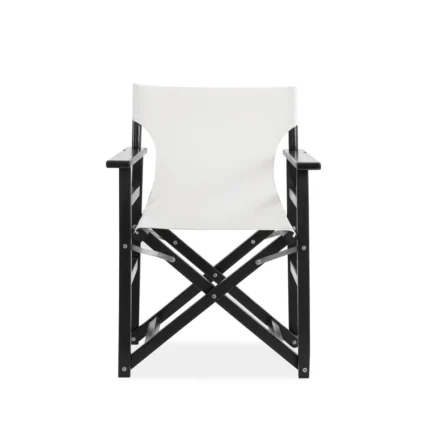
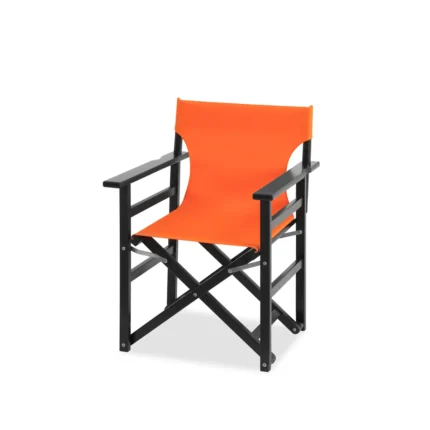
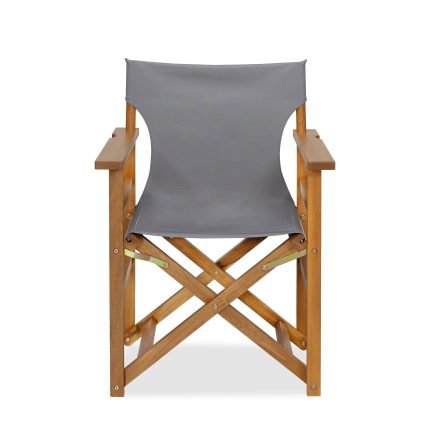
Acacia Wood Director Chair for Outdoor & Indoor Use
Frame / Seat ColorNatural Wood Frame / Gray SeatNatural Wood Frame / White SeatNatural Wood Frame / Black SeatBlack Frame / Cream SeatBlack Frame / Orange Seat$62.80$87.2228% OffSale
-
Sale
Frequently Asked Questions
Are aluminum chairs maintenance-free?
No. Follow the actual coating, hardware and seat-material instructions. Fabric and cushions still need their own care.
Is acacia always heavier?
Do not infer a chair’s weight from the frame material alone. Compare verified item weights for the exact models.
Which is better near the coast?
Ask each supplier about salt exposure, finish and hardware care. No generic material choice guarantees performance at your site.
Can I compare these chairs using only width?
No. Include depth, sitting movement, table fit and the complete storage format.
Related outdoor seating guides
Compare acacia vs aluminum patio chairs as complete products. Match the seating purpose and dimensions, identify the care tasks for every material and check exposure guidance for the exact frame. That gives you a practical decision based on your patio and routine, rather than a broad claim about wood or metal.